Waxing And Other Forms Of Hair Removal

Waxing is the process of hair removal from the root by using a covering of a sticky substance, such as wax, to adhere to body hair, and then removing this covering and pulling out the hair from the follicle. New hair will not grow back in the previously waxed area for four to six weeks, although some people will start to see regrowth in only a week due to some of their hair being on a different human hair growth cycle. Almost any area of the body can be waxed, including eyebrows, face, pubic hair (called bikini waxing), legs, arms, back, abdomen, knuckles, and feet. There are many types of waxing suitable for removing unwanted hair.

Strip waxing (soft wax) is accomplished by spreading a wax thinly over the skin. A cloth or paper strip is applied and pressed firmly, adhering the strip to the wax and the wax to the skin. The strip is then quickly ripped against the direction of hair growth, as parallel as possible to the skin to avoid trauma to the skin. This removes the wax along with the hair. There are different forms of strip waxing or soft waxing: heated, cold or pre-made strips. Unlike cold waxing, heated wax is spread easily over the skin. Cold waxing is thicker, which makes it more difficult to spread smoothly over the skin. Pre-made strips come with the wax on them, and they come in different sizes for different area uses.

Stripless wax (as opposed to strip wax), also referred to as hard wax,is applied somewhat thickly and with no cloth or paper strips. The wax then hardens when it cools, thus allowing the easy removal by a therapist without the aid of cloths or strips. This waxing method is very beneficial to people who have sensitive skin. Stripless wax does not adhere to the skin as much as strip wax does, thus making it a good option for sensitive skin as finer hairs are more easily removed because the hard wax encapsulates the hair as it hardens. The stripless waxing method can also be less painful.
42665

Nail Treatments

Basic Manicure & Pedicure

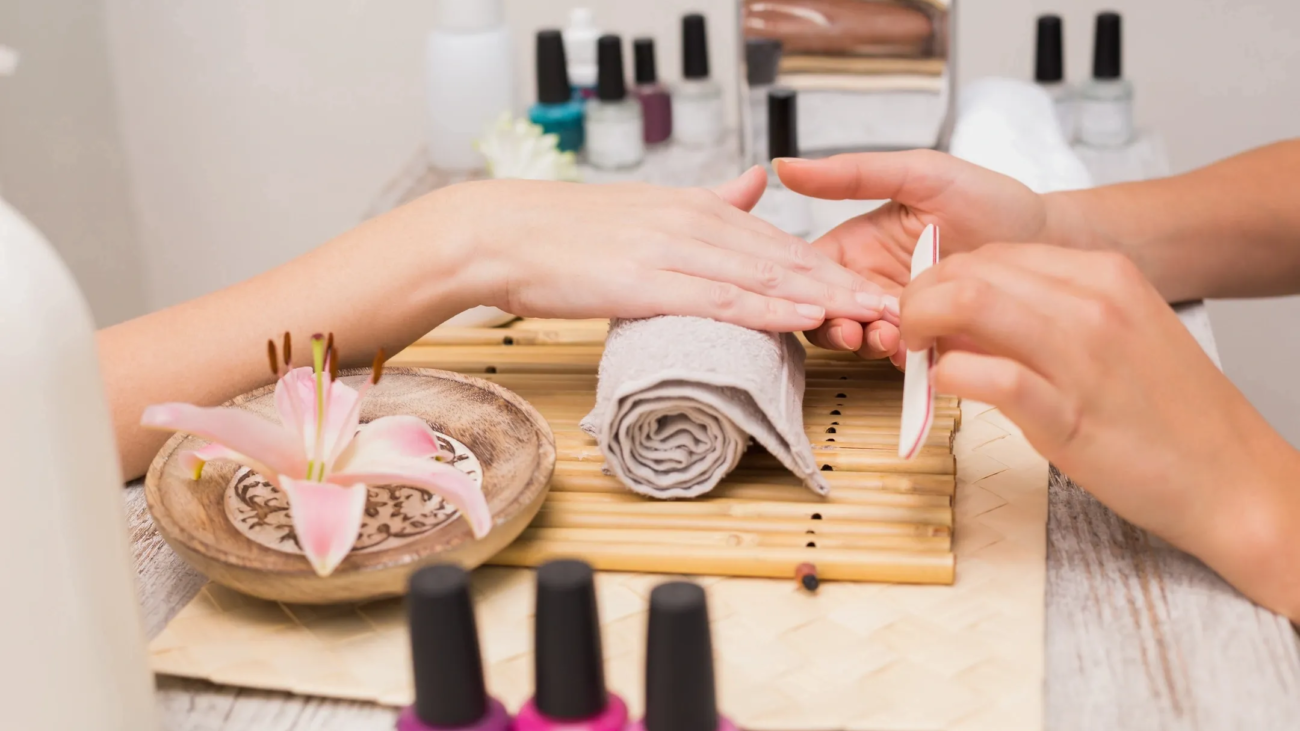
A classic manicure or pedicure is the foundation of nail care. It involves cleaning, trimming, shaping, and buffing the nails, followed by cuticle care and a fresh coat of polish. This treatment not only enhances the appearance of your nails but also promotes overall nail health by preventing breakage and maintaining neat edges. Perfect for those who prefer a natural look, a basic mani-pedi is affordable, quick, and leaves your hands and feet feeling refreshed. The only drawback is that regular polish tends to chip within a few days, so it’s best for short-term wear or special occasions.

Gel Nails

Gel nails have become a favorite for anyone seeking long-lasting shine and durability. Applied like regular polish but cured under a UV or LED lamp, gel nails resist chipping and maintain their glossy finish for up to three weeks. They’re ideal for busy individuals who don’t have time for frequent touch-ups. While removal requires professional care to avoid damaging the natural nail, the payoff is worth it—gel nails deliver a flawless, salon-quality look that lasts far longer than traditional polish.

Acrylic Nails

For those who love bold, dramatic nails, acrylics are the go-to option. Created by combining liquid monomer with powder polymer, acrylic nails form sturdy extensions that can be shaped into virtually any length or style. They’re perfect for nail art enthusiasts or anyone wanting to add instant glamour. Acrylics are highly durable, but they do require regular maintenance, as new growth needs to be filled every few weeks. While they can weaken natural nails if not applied or removed correctly, their versatility and strength make them a popular choice for statement-making manicures.

Special Face Makeup


Prime your face. Before you add any makeup you need to prime your face. The purpose of a face primer is to enhance the appearance of makeup and increase the longevity.You can apply the primer with your fingers, covering your whole face with a small amount. The primer will also help your makeup up stay on all day. If you are going to sweat, run, or do anything that will cause your makeup to wear off or smear, primer is a necessity for you.

There are several types of foundation[4], but they are generally applied the same way. Liquid, cream, and powder foundations all act to create a more even complexion, working to create an even base for your other makeup. Use a foundation brush or damp beauty sponge to apply foundation to your face, blending into your neck and earlobes if necessary. Keep in mind that your foundation should be the same color as your natural skin tone, not much darker or lighter. It helps to match your foundation to your chest and neck so your face isn’t a different color than the rest of your body. You never want a harsh line from your jawline to your neck. This is very unnatural and gives a harsh and unblended finish, which is not what you want. Choosing a color that matches your skin always helps.

  • You can use a concealer brush to add a little extra foundation to cover up stubborn blemishes.
  • Liquid foundation can be applied with your fingertips, although this is more likely to introduce bacteria to your skin and cause future breakouts.

The purpose of concealer is to even out uneven skin tone as a result of blemishes or dark under-eye circles. You can also use a concealer in a shade slightly lighter in your skin tone to brighten dark areas or high points of your face. Use a concealer brush or your (clean) fingertips to blend concealer on your undereye area in an upside-down triangle shape, down the bridge of your nose, chin, the center of the forehead, and above the upper lip. You can use a shade matching your skin tone to cover any red areas or over any acne or dark spots. Blend the edges of your concealer so it seamlessly blends into your foundation.

Complementary Care Such As Aromatherapy

What is aromatherapy?

Aromatherapy is the use of essential oils from plants to improve the mind, body, and spirit. It is used by patients with cancer to improve quality of life and reduce stress, anxiety, pain, nausea, and vomiting caused by cancer and its treatment. Aromatherapy may be used with other complementary treatments like massage therapy and acupuncture, as well as with standard medical treatments, for symptom management.Essential oils are the fragrant (aromatic) part found in many plants, often under the surface of leaves, bark, or peel. The fragrance is released if the plant is crushed or a special steam process is used.

There are many essential oils used in aromatherapy, including those from Roman chamomile, geranium, lavender, tea tree, lemon, ginger, cedarwood, and bergamot. Each plant’s essential oil has a different chemical make-up that affects how it smells, how it is absorbed, and how it affects the body.Essential oils are very concentrated. For example, it takes about 220 pounds of lavender flowers to make about 1 pound of essential oil. The aroma of essential oils fades away quickly when left open to air.

How is aromatherapy given or taken?

  • Indirect inhalation: The patient breathes in an essential oil by using a room diffuser, which spreads the essential oil through the air, or by placing drops on a tissue or piece of cotton nearby.
  • Direct inhalation: The patient breathes in an essential oil by using an individual inhaler made by floating essential oil drops on top of hot water.
  • Massage: In aromatherapy massage, one or more essential oils is diluted into a carrier oil and massaged into the skin.

Essential oils may also be mixed with bath salts and lotions or applied to bandages.There are some essential oils used to treat specific conditions. However, the types of essential oils used and the ways they are combined vary, depending on the experience and training of the aromatherapist.In laboratory studies, tumor cells are used to test a substance to find out if it is likely to have any anticancer effects. In animal studies, tests are done to see if a drug, procedure, or treatment is safe and effective in animals. Laboratory and animal studies are done before a substance is tested in people.

b6ce8480108106192d16077989a6657a

Highlight/Lowlight

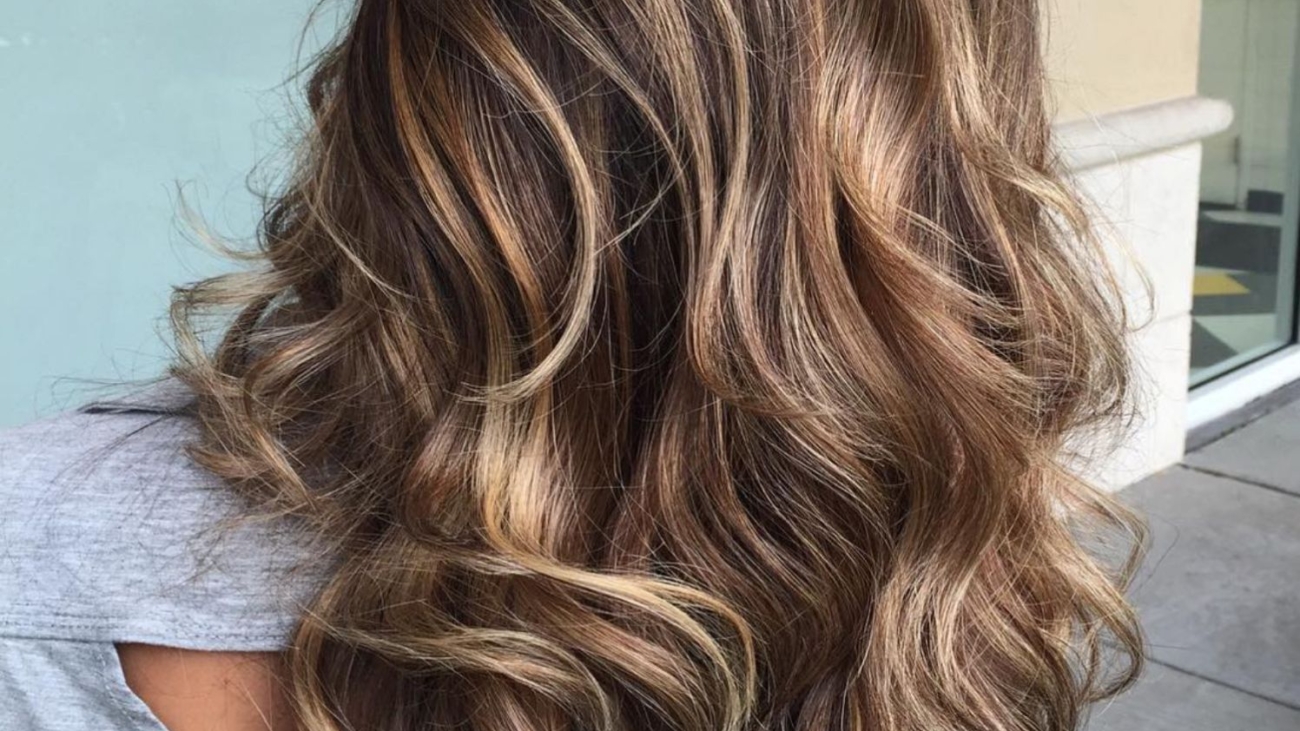
Choose hair colors one to two shades darker than natural color for natural results. For more dramatic results, go for shades two to four shades darker. If this is your first time dyeing your hair, you may want to try using temporary or semi-permanent dye rather than permanent dye.

  • Temporary dyes tend to wash out after one shampoo.[1]
  • Semi-permanent dyes will wash out after 20 to 26 shampoos.
  • Permanent dyes may fade, but they usually stay in your hair until it grows out.

Highlights are essentially the opposite of lowlights. Highlight colors should be one to two shades lighter than your natural hair color. For more dramatic results, go for shades three to four shades darker.

  • You may need to bleach your hair to highlight it, which is best done in a salon.

Divide your hair into five sections. Make sure your five sections are roughly even. There should be one section on the top of your head. Then, on either side of your head, separate the hair into two sections. When you’re done, you should be left with one section of hair on top and four sections on the sides. Use rubber bands or hair clips to secure your hair.[2]

  • In other words, you should have three sections in the front of your head, and two in the back.

Use the slicing method to separate hair for a more dramatic look. Let down one of the sections. Starting at the top of the section, insert the end of your comb through your hair. Only a very thin section of hair should be on top of the end of the comb. Remember that for both highlight and lowlights, you should apply dye to very thin chunks of hair.

pexels-cottonbro-3993466

Why a Haircut Made This Entrepreneur Decide to Become

Sometimes, life-changing decisions begin with the simplest moments. For this entrepreneur, it all started with a haircut. What was meant to be a routine self-care appointment turned into a moment of deep realization. Sitting in the salon chair, watching how a small transformation boosted confidence and changed the way a person carried themselves, sparked a powerful thought—why not create this feeling for others? That single haircut revealed how personal grooming is not just about appearance, but about confidence, identity, and self-belief. Inspired by the ability of a simple service to make such a meaningful impact, the entrepreneur decided to step into the world of beauty and self-care. What began as a haircut soon became a purpose-driven journey to help people feel confident, empowered, and proud of themselves—inside and out.

IMG_1239-2048x1546-1

How This Blow-Dry Salon Franchise Went From 3 Units to

What began as a small blow-dry salon with just three units quickly transformed into a fast-growing franchise through a clear vision, consistent service quality, and a deep understanding of modern beauty needs. In the early days, the founders focused on one simple promise: flawless styling without the hassle of long salon visits. By perfecting their blow-dry technique, maintaining strict hygiene standards, and delivering a luxury experience at an affordable price, the brand earned loyal customers who returned week after week.

The real growth came when the business shifted its mindset from running salons to building systems. Every process—from staff training and customer experience to inventory and branding—was standardized so new franchise partners could replicate success easily. Social media played a major role as well, with before-and-after transformations attracting attention and creating strong brand recall. Strategic locations, smart pricing, and membership models helped increase repeat visits and steady revenue.

As demand surged, the franchise expanded rapidly, fueled by entrepreneurs who believed in the concept and trusted the proven model. Today, the brand stands as a powerful example of how focusing on one core service, delivering it exceptionally well, and scaling with discipline can turn a small salon idea into a thriving national franchise. It’s a reminder that in the beauty industry, clarity, consistency, and customer trust are the true drivers of long-term growth.